
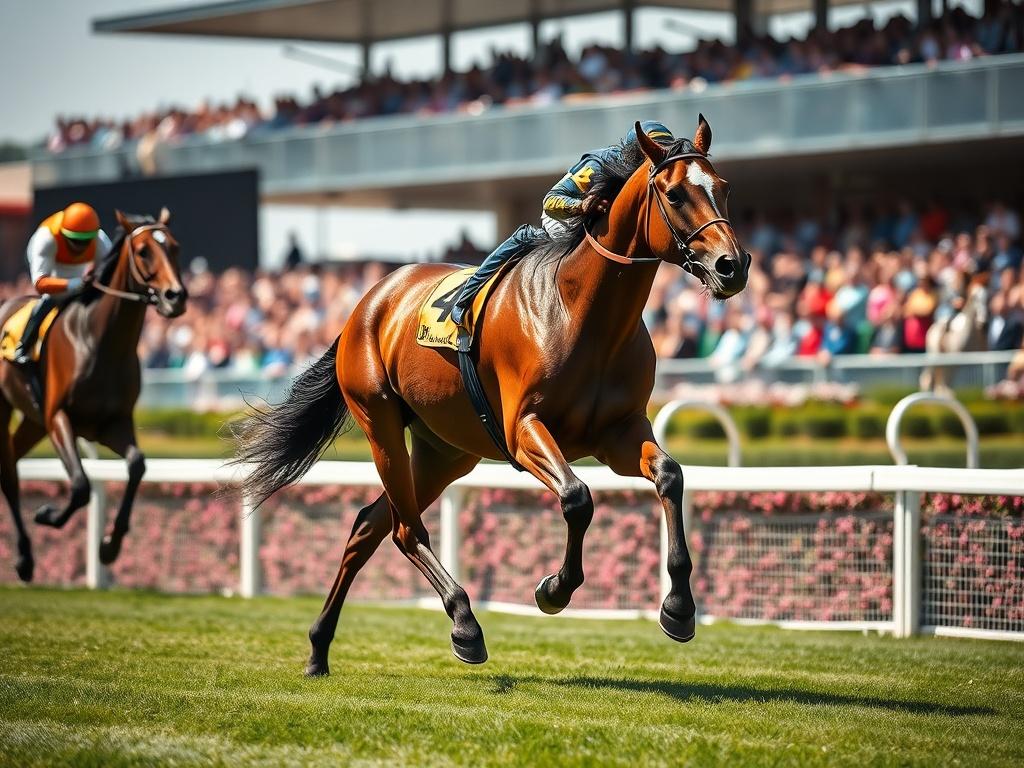
Flat racing is one of the most thrilling forms of horse racing, captivating fans with its speed, strategy, and rich traditions. As horses thunder down the straight stretch, the atmosphere electrifies, and the excitement is palpable. In this blog post, we invite you to dive into the essentials of flat racing, exploring its intriguing history and the key elements that distinguish it from other racing styles. Understanding these foundational aspects not only enhances your appreciation for the sport but also prepares you for a deeper engagement with the races.
What sets flat racing apart is its unique blend of athleticism, thoroughbred breeding, and tactical decision-making. From the meticulous training regimens of the horses to the art of predicting race outcomes, there is much to learn and enjoy. Whether you are a seasoned fan or a newcomer looking to delve into this exhilarating world, our insights will equip you with the knowledge to fully appreciate the excitement of flat racing. Buckle up as we explore what makes this sport truly special, providing tips and insights for every level of enthusiast.
Dive into the essentials of flat racing and its fascinating history
Flat racing, a thrilling and fast-paced segment of the equestrian sport, has captivated audiences for centuries. Originating in ancient civilizations, this sport allows horses to run over a level track without obstacles. The roots of flat racing can be traced back to 12th-century England, where knights would showcase their steeds in friendly competitions. Today, it has evolved into a highly organized and regulated sport, featuring prestigious events such as the Epsom Derby and the Kentucky Derby. These races not only attract spectators but also boast significant monetary prizes, making them critical events in the horse racing calendar.
Understanding the fundamentals of flat racing can enhance your appreciation for this beloved sport. The races typically range from five furlongs to two miles, with various distances offering unique challenges for both horse and rider. Each horse runs under a jockey's guidance, who employs strategy and skill to navigate the course. Key elements such as breed, training, and track conditions contribute significantly to the outcome of each race. As you immerse yourself in this exhilarating world, you will discover how history, culture, and competitive spirit intertwine to create a captivating spectacle that has stood the test of time.
What makes flat racing unique: Key characteristics to know
Flat racing stands apart from other forms of horse racing due to its straightforward format and structure. Races typically occur on a flat, level track, allowing horses to showcase their speed without the complexities of obstacles or varying terrain. The simplicity of this format makes it accessible to both casual spectators and serious fans. Each race varies in distance, usually ranging from five furlongs to two miles, and this difference influences race strategies and the training regimens of the horses. Understanding these distance variations can help fans appreciate the unique challenges each race presents.
Another defining characteristic of flat racing is the emphasis on speed and endurance. Unlike jumps or steeplechase racing, where horse agility and jumping capabilities come into play, flat racing prioritizes raw speed. Horses must not only have powerful sprinting capabilities but also the stamina to maintain their pace throughout the race. Additionally, the breeding and training of flat racing horses focus heavily on these traits, resulting in a competitive field of athletes. Fans can often identify the nuances in performance and racing styles, fostering a deeper appreciation for the sport as they witness the exceptional capabilities of these equine athletes.
Mastering flat racing: Tips for newcomers and seasoned fans alike
Diving into the world of flat racing can be exhilarating, yet it comes with its own set of complexities. For newcomers, gaining an understanding of the basic terminology and rules is crucial. Familiarize yourself with terms like “handicap,” “stakes races,” and “the paddock.” Watching races regularly can help you grasp how the races unfold and how different factors—like track conditions and horse form—affect outcomes. Engaging with racing communities online or in person provides an opportunity to learn from seasoned fans and share insights. Don’t hesitate to ask questions; the excitement of learning will enrich your flat racing experience.
For seasoned fans, staying updated on the latest trends in flat racing is essential. Following horse performance statistics, jockey movements, and trainer insights can provide an edge on race day. Keep an eye on upcoming races and their conditions, as these can greatly impact predictions. Engaging in discussions on specialized forums or attending events can further develop your understanding and appreciation of the sport. Remember, patience is key; not every race will yield favorable outcomes, but every race offers a chance to learn and refine your strategies. Embrace both victories and defeats as opportunities for growth in your flat racing journey.
The next big priced winnner is only ever just round the corner.
Thank you for signing up!
Oops! Something went wrong. Please try again later.