
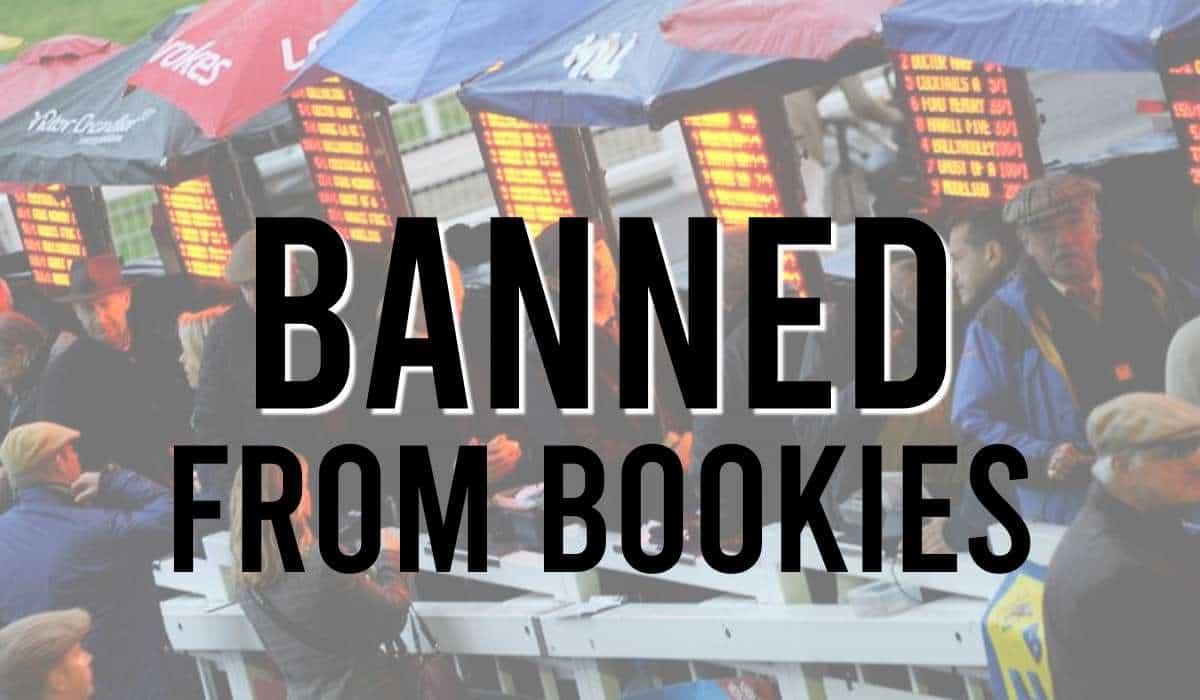
If you’ve ever had a betting account suddenly go quieter than a library at closing time, you’ll know the feeling.
One minute you’re placing bets like a valued customer. The next, your maximum stake wouldn’t cover a round of drinks.
Welcome to the world of bookmaker restrictions — something casual punters hear about but serious bettors eventually experience.
And no, before anyone asks, it isn’t because you’ve done anything wrong.
It’s usually because you’ve done something right.
Most people grow up believing bookmakers want winners.
You see adverts showing smiling punters celebrating big wins, confetti flying everywhere, everyone apparently retiring to Marbella after landing a lucky accumulator.
Reality is slightly different.
Bookmakers are businesses. Very successful businesses. And like any business, they manage risk carefully. Their ideal customer is someone who enjoys betting regularly, has fun, maybe wins occasionally — but ultimately loses over time.
What they don’t love is consistency.
If your betting starts showing signs of long-term profit, alarms quietly begin ringing in the background.
No sirens. No angry emails. Just… smaller stakes.
It isn’t usually one big win.
You can land a 20/1 winner and nobody bats an eyelid. Bookmakers expect occasional shocks — that’s part of the game.
Restrictions tend to happen when patterns appear:
In other words, when you start betting like someone who knows what they’re doing.
Ironically, discipline — the very thing punters are told they should develop — is often what gets attention.
Exactly.
Many restricted bettors aren’t smashing bookmakers for fortunes. Some are winning modest, steady sums.
That’s because bookmakers don’t just look at profit. They look at behaviour. Modern risk teams analyse betting patterns using data models far more sophisticated than most people realise.
They’re not asking, “Has this person won £10,000?”
They’re asking, “Is this customer likely to win long term?”
If the answer looks like yes, limits often follow.
Restrictions can feel frustrating because betting is marketed as a level playing field.
You’re encouraged to study form, improve your knowledge and make smarter decisions. Then when that approach actually works, suddenly you can’t get a tenner on.
It feels unfair.
But from the bookmaker’s perspective, limiting sharp accounts protects their pricing models and overall business balance.
They aren’t punishing you — they’re managing exposure.
Still annoying though.
Here’s the part many people don’t realise.
Restrictions are not the end of betting. They’re almost a rite of passage for anyone betting seriously.
Experienced bettors adapt:
The game simply evolves.
Most punters will never be restricted because most punters never threaten bookmaker margins.
Restrictions tend to happen when someone moves from casual betting into structured, disciplined wagering.
It’s not glamorous, and it’s certainly not convenient, but it’s often a sign that your approach is working.
So if your stakes suddenly shrink and the “maximum allowed” message appears more often than you’d like, don’t panic.
You haven’t broken the rules.
You might just be doing better than expected.
And in betting terms, that’s not the worst problem to have.
The next big priced winnner is only ever just round the corner.
Thank you for signing up!
Oops! Something went wrong. Please try again later.